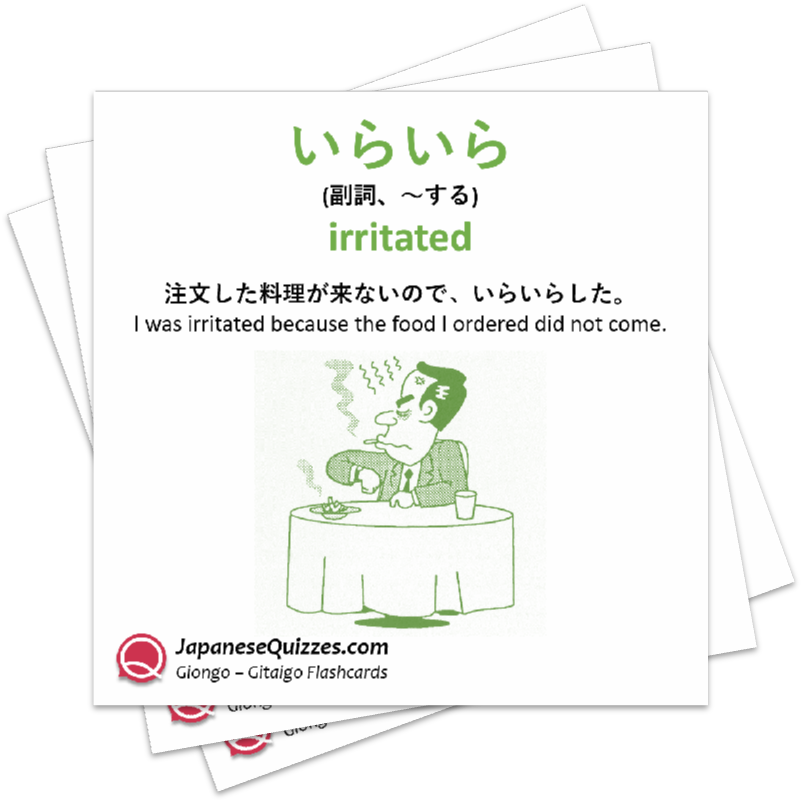

[Japanese vocabulary books]
Ryuugakusei no tameno Bunyabetsu Goi Reibunshuu Vocabulary Building.

or become member to request
There are 340 posts filed in Ebooks (this is page 32 of 34).
Ryuugakusei no tameno Bunyabetsu Goi Reibunshuu Vocabulary Building.
or become member to request

Japan Japanese journal April 2003 ~ retrieved from problem areas, such as series of ‘it’s like here in two different”in March 2005, summarizes the book. The difference between similar words described in illustrations and descriptions.

Shin Kanzen Master Bunpou N3
( Instant download OR become member to request)
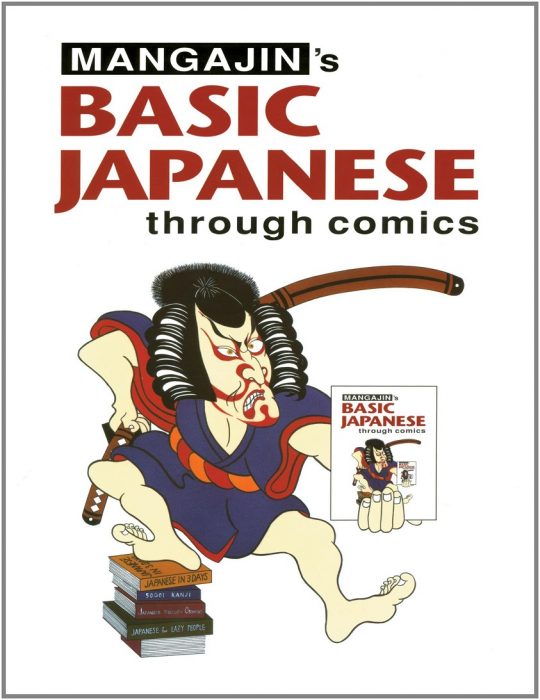
 This book presents some very basic words and phrases along with some that are not usually considered “basic” at all. In fact, some of the material in this book is not typically presented until the student is well into his or her study of the Japanese language—and even then, it can be confusing without a skilled explanation. The Mangajin method, however, makes even this advanced material “basic” and accessible to students at all levels. Frames from Japanese manga (“comics”) are used to illustrate every point, and English translations and notes allow even the basic beginner to understand material that might otherwise stump advanced students.
or become member to request
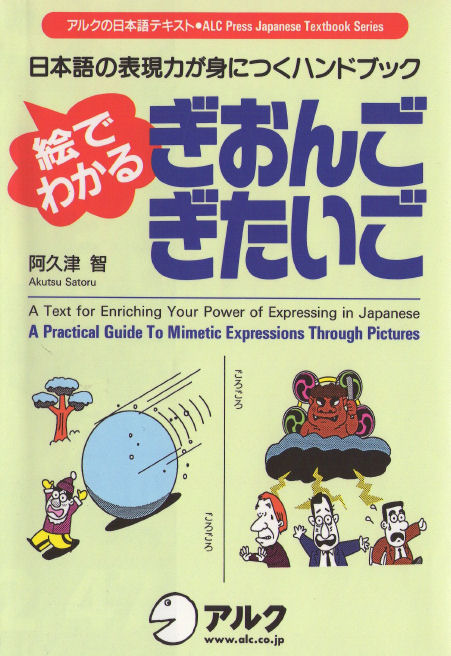
A Practical Guide to Mimetic Expressions through Pictures – Giongo, Gitaigo.
or become member to request

 Kana Handwriting Practice Sheets
( Instant download OR become member to request)

Two texts in one. One text, Remembering the Hiragana features a complete course on how to learn the Japanese syllabary in three hours of self-study. The other text, Remembering the Katakana, is designed for those who have learned to read and write the hiragana.
( Instant download OR become member to request)

 181 Kanji Card JLPT N3
( Instant download OR become member to request)


 103 Kanji Card JLPT N4
( Instant download OR become member to request)


 Everyone agrees that it is possible to learn to speak Japanese in a reasonable amount of time, but no one has ever said that about reading and writing it. It is widely held that spoken and written Japanese require separate efforts by the student, as if these two aspects were in fact distinct languages.A first step toward alleviating the problem of learning Chinese characters, or kanji, was taken by Yasuko Mitamura in 1997 with the publication of Let’s Learn Kanji, which introduced the student to the fundamentals — strokes, radicals, components — and 250 basic kanji.
( Instant download OR become member to request)
 DOWNLOAD THE FULL