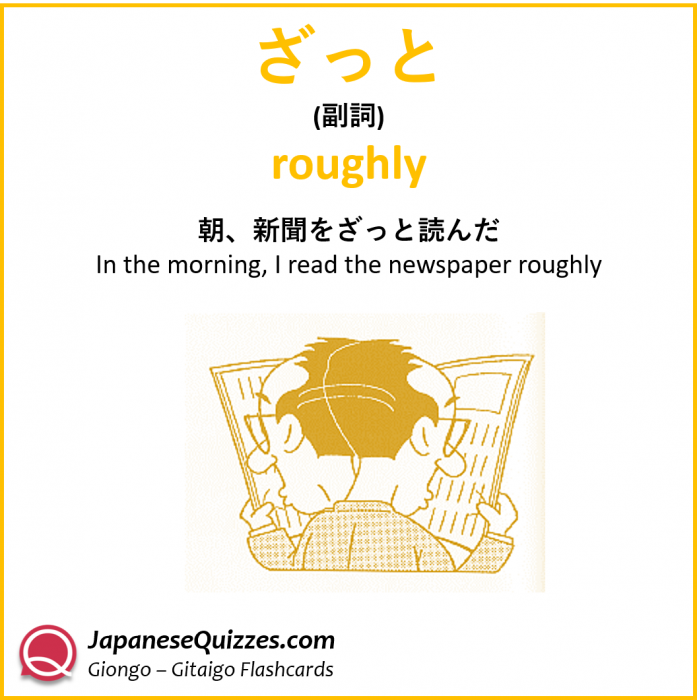
ざっと
(副詞)
“Performing an action in loose, general fashion.”

Sample text:
- 朝、新聞をざっと読んだ。
In the morning, I read the newspaper roughly.
- 彼にはざっと話をしておいた。
I talked to him roughly.
(Source: E de wakaru Giongo Gitaigo)
Japanese Giongo Gitaigo
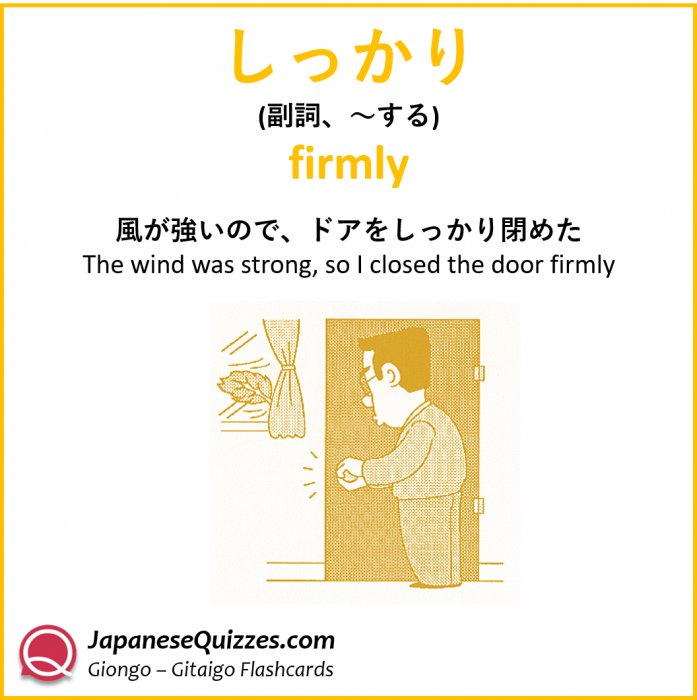
しっかり
(副詞、~する)
“Reliable and certain. Used with the -shite-iru form to express reliability”

Sample text:
- 風が強いので、ドアをしっかり閉めた。
The wind was strong, so I closed the door firmly.
- あの人は若いのに、考えがしっかりしている。
Though he is young, he has a sound-thinking.
(Source: E de wakaru Giongo Gitaigo)
Japanese Giongo Gitaigo
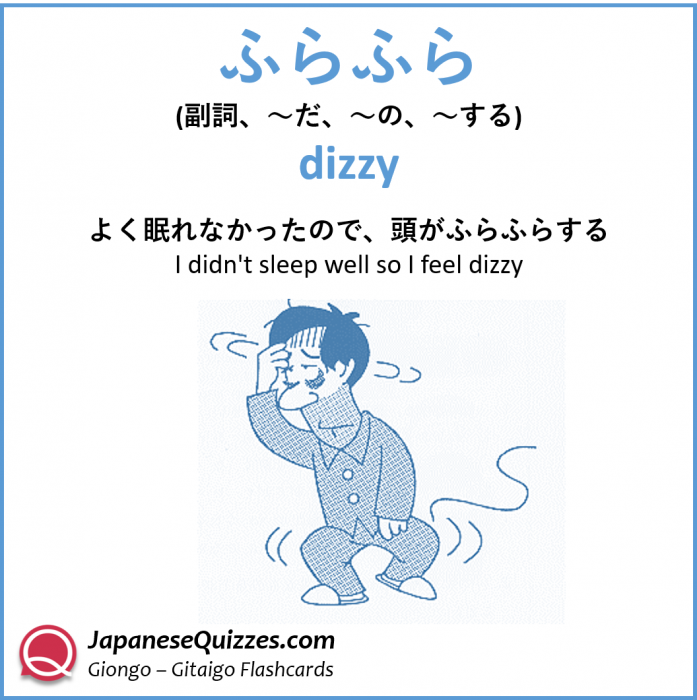
ふらふら
(副詞、~だ、~の、~する)
“Tiredness, a lack of energy, or feeling of shakiness.”

Sample text:
- よく眠れなかったので、頭がふらふらする。
I didn’t sleep well so I feel dizzy.
- 長い時間歩いたので、足がふらふらだ。
I walked for a long time, so I’m unsteady on my feet.
(Source: E de wakaru Giongo Gitaigo)
Japanese Giongo Gitaigo
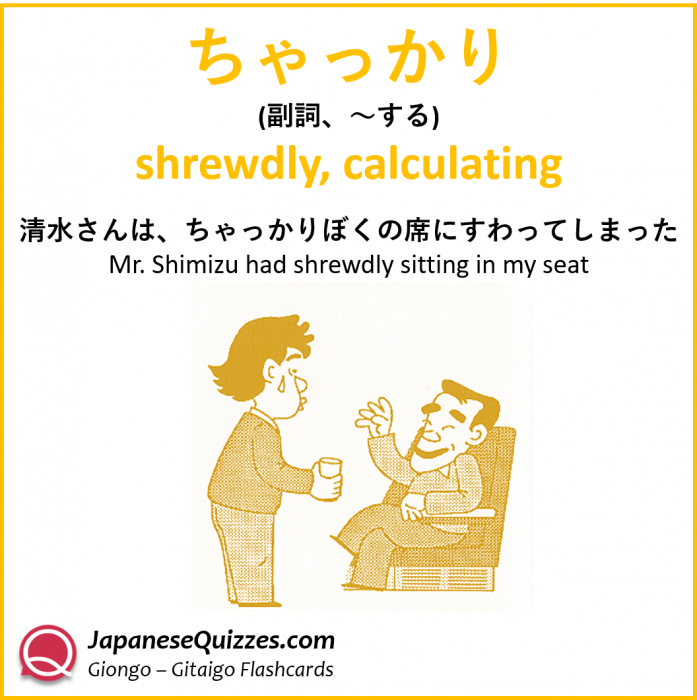
ちゃっかり
(副詞、~する)
“Quickly realizing a profitable opportunity and taking advantage of it. Often used to describe being flabbergasted by someone.”

Sample text:
- 清水さんは、ちゃっかりぼくの席にすわってしまった。
Mr. Shimizu had shrewdly sitting in my seat.
- 「あいつはなんでもお金をとる。ちゃっかりしてるよ」
“He takes money for everything. He’s calculating.“
(Source: E de wakaru Giongo Gitaigo)
Japanese Giongo Gitaigo
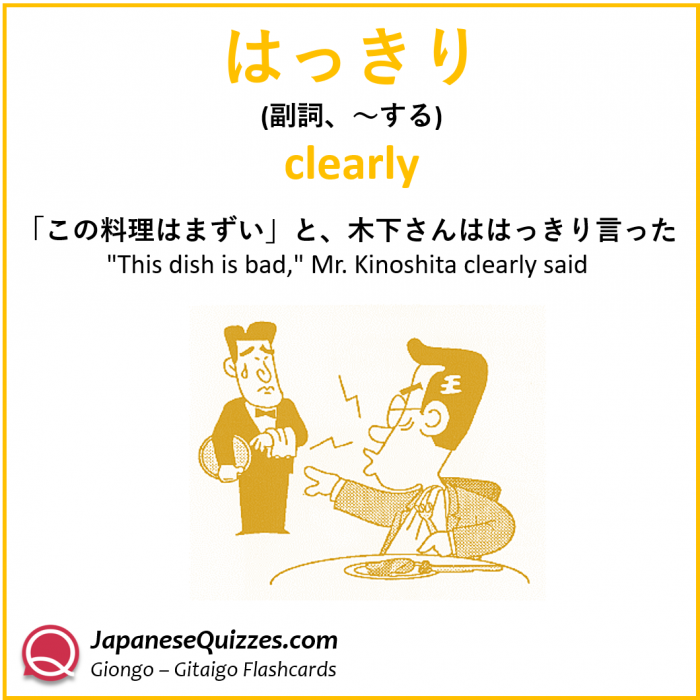
はっきり
(副詞、~する)
“Something that is clearly distinct from other things and easily distinguishable. Not ambiguous.”

Sample text:
- 「この料理はまずい」と、木下さんははっきり言った。
“This dish is bad,” Mr. Kinoshita clearly said.
- いい天気なので、遠くの山がはっきり見える。
The weather is nice, so you can clearly see the mountains in the distance.
(Source: E de wakaru Giongo Gitaigo)
Japanese Giongo Gitaigo
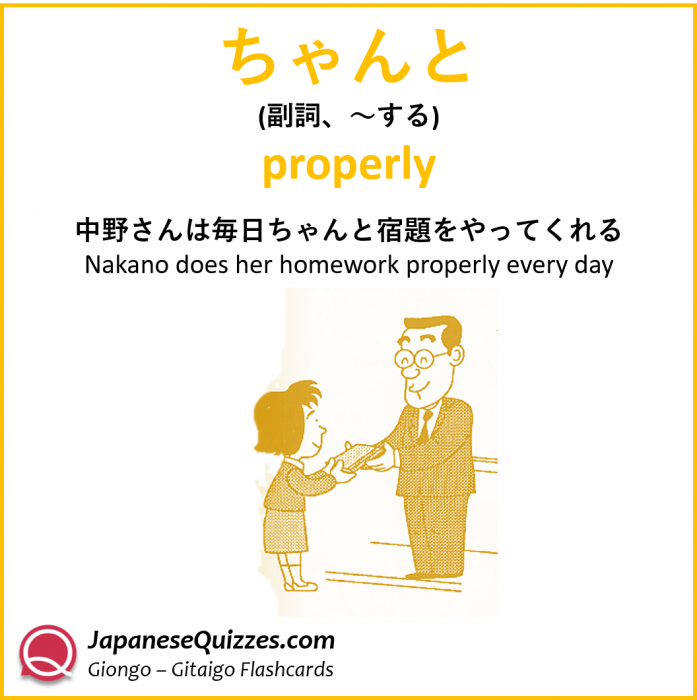
ちゃんと
(副詞、~する)
“Matching a standard or rule perfectly. Certainly, without a doubt.”

Sample text:
- 中野さんは毎日ちゃんと宿題をやってくれる。
Nakano does her homework properly every day.
- 部屋の中をちゃんとそうじした。
I cleaned the room properly.
(Source: E de wakaru Giongo Gitaigo)
Japanese Giongo Gitaigo